Issue No. 79 • Monday September 14, 2026 The Trading Addict Newsletter by Maria Helmick In This Issue | | The Fed Takes Center Stage — Rate decision Wednesday. 87% futures odds of a hike, 70% of economists expect no change. Jump to this story → | | Bloom Hits the Big Leagues: S&P 500 Bound — BE joins the S&P 500 on September 21. Q2 revenue rose 165.5%. Oracle, Nebius, Walmart and AT&T already onboard. Jump to this story → | | Burry Hedges the Digital Future One Bottle at a Time — Michael Burry stashing Pétrus, DRC and Mouton Rothschild in a London bonded warehouse. Jump to this story → | | Uncle Sam Takes the Quantum Leap — Washington commits $2 billion across nine companies. IBM $1B, GlobalFoundries $375M, plus QNT, QBTS, RGTI and INFQ. Jump to this story → | | Special Delivery, Mr. Volcker — 1979: furious auto dealers mailed coffin-shaped boxes to the Federal Reserve. Rates hit 20%. Jump to this story → | | Earnings Watch, September 15 – October 30 — TCOM, LEN, AZO, COST, MU, NKE, JPM, NFLX, TSLA, AAPL, AMZN and more. Jump to this story → | | Day 226 Trading Update · Friday September 11 — $1M +$31,864, $30K +$1,392, $100K +$1,854. Combined +$37,452. Jump to this story → | | Today's Live Show — Watch Rob and Nick on YouTube — 9:15 AM & 3:15 PM ET, Monday through Friday. Jump to this story → |
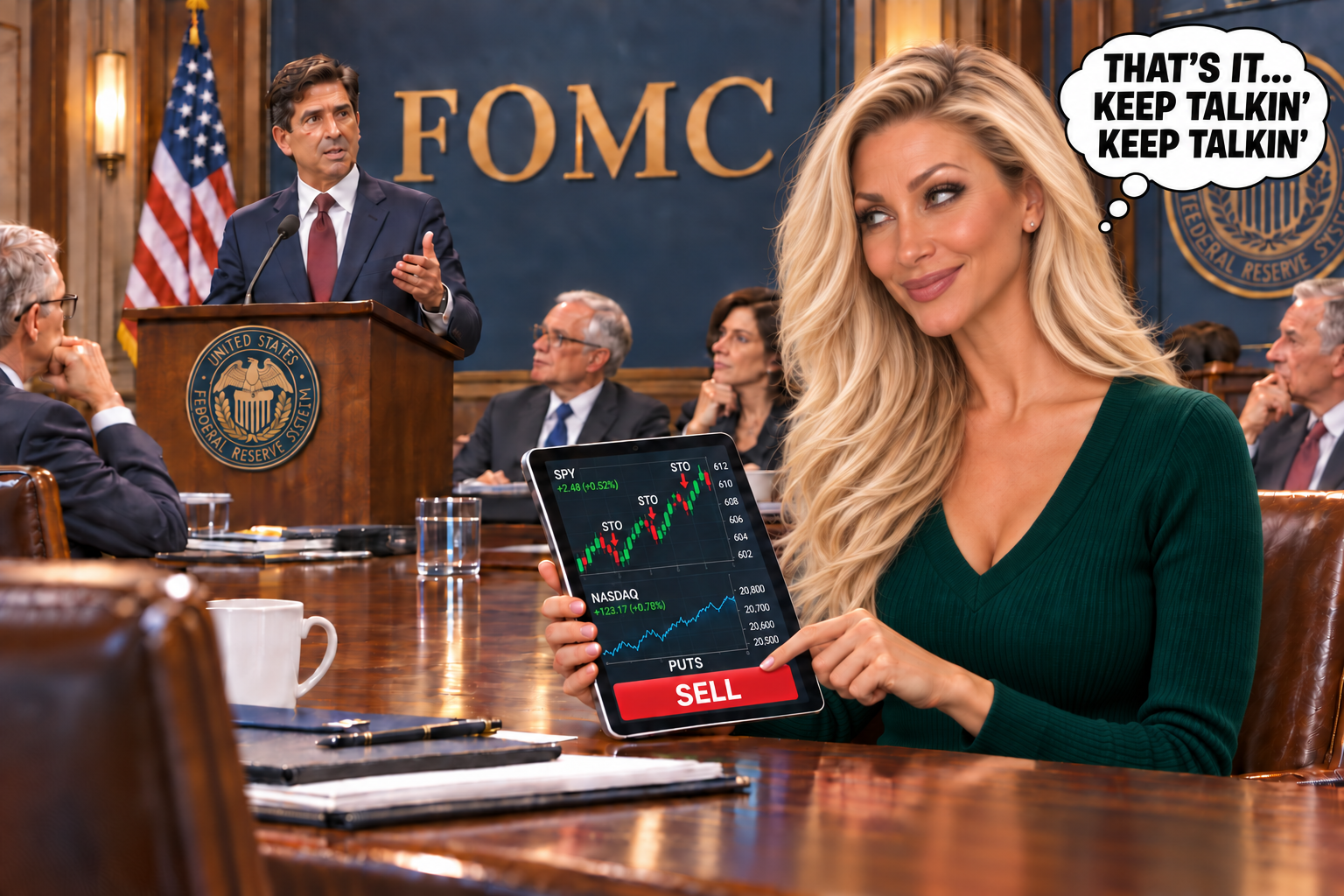 Tap the image to view full size The Week Ahead · September 14-18, 2026 The Fed Takes Center StageRate expectations, the decision-day clock and the market reaction. | |
Wall Street enters the week with one question: Will the Federal Reserve raise interest rates?
After consumer prices rose 0.4% and producer prices also climbed 0.4%, inflation is moving in the wrong direction just as policymakers meet. The labor market remains firm enough to give the Fed room to act.
What the predictions say
Interest-rate futures now imply an 87% probability of a quarter-point hike. Polymarket places the probability near 80%, with approximately a 20% chance that rates remain unchanged.
Traders versus economists
These percentages are not official Fed forecasts. Futures prices reflect where professional traders are placing money, while prediction markets reflect wagers on the outcome. Both can change quickly when new information arrives.
Economists are less convinced. A recent Reuters survey found that roughly 70% expected no change. That disagreement gives Wednesday even more potential for a sharp reaction.
A half-point move or a rate cut is considered extremely unlikely. If the Fed holds steady, the surprise could send Treasury prices higher and yields lower as traders unwind their hike positions.
The Decision-Day Clock
8:30 a.m. ET — Retail sales: July sales fell 0.6%. Another weak report would force the Fed to weigh inflation against a slowing consumer. |
2:00 p.m. ET — Fed decision: A quarter-point increase is the base case. The statement may matter more than the expected hike. |
2:30 p.m. ET — Warsh: Markets will listen for whether this is a one-time adjustment or the start of a longer tightening cycle. |
Who could move?
Banks: Bank of America and Charles Schwab could benefit from higher short-term rates, although deposit costs still matter.
Technology: Nvidia and other AI leaders face a test. Higher yields pressure growth stocks, but exceptional earnings may provide support.
Housing: Homebuilders remain vulnerable if a hawkish Fed pushes mortgage rates higher. Housing starts and permits arrive Thursday.
Maria's Bottom Line The quarter-point hike matters, but Warsh's next sentence matters more. Patience could help stocks absorb the increase. A warning of several more hikes could push Treasury yields higher and pressure the Nasdaq quickly. |
Sources: Federal Reserve, BLS, Census Bureau, CME FedWatch, Polymarket and Reuters. Market probabilities as of September 12, 2026; subject to change.
|
Join the Math Makes Money Trading Team One-Button AI Bot Trading Join Today — Trade with Rob's AI Bot (Phil) Today. Live VIP Group Video with Rob and Nick. ↓ Click the big red button below to join ↓ » Join the Team Now » |
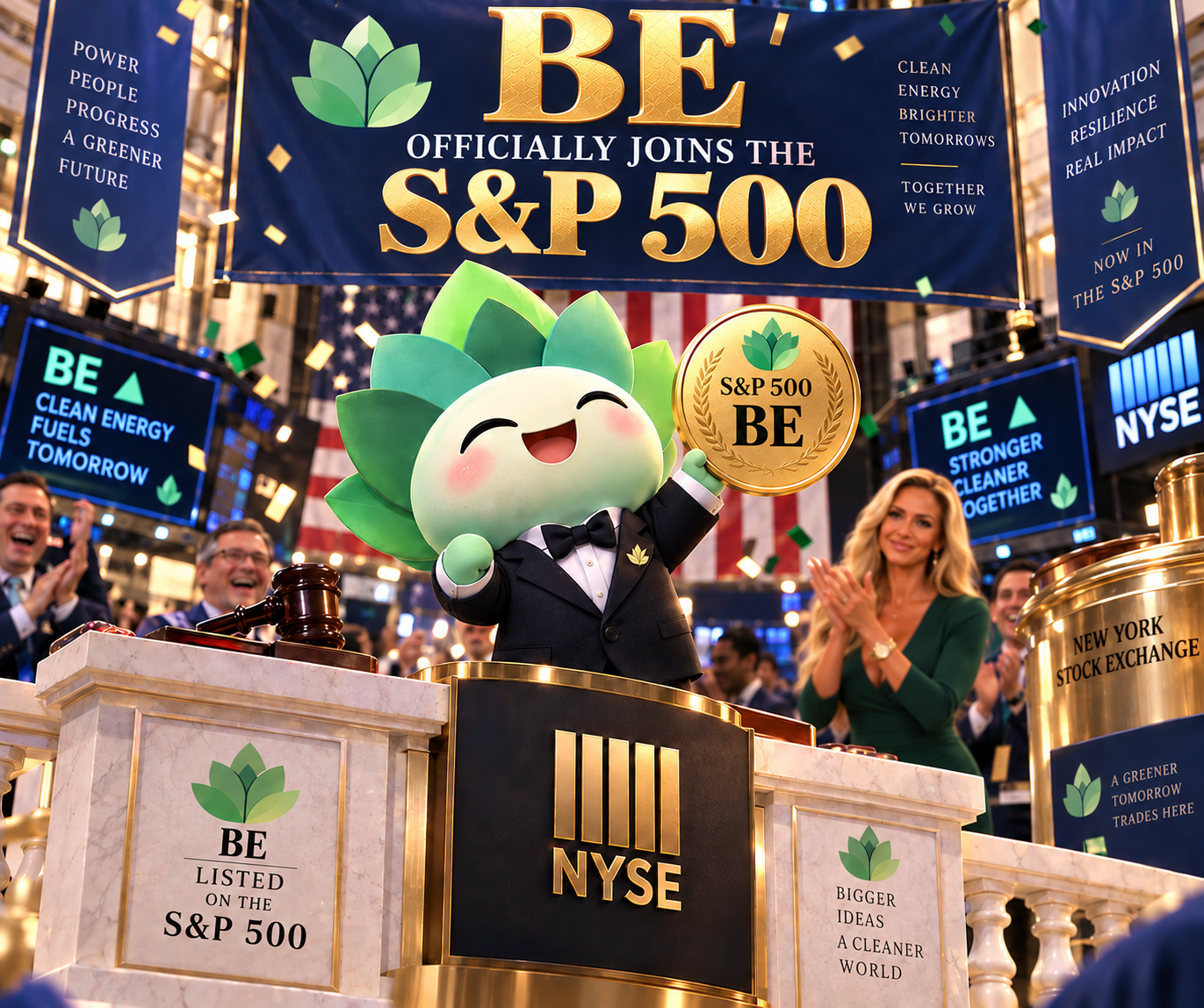 Tap the image to view full size Trading Addict · S&P 500 Inclusion Bloom Hits the Big Leagues: S&P 500 Bound | |
Oracle, Nebius and Equinix are already customers. On September 21, Bloom Energy (BE) reaches another milestone: joining the S&P 500. The addition can bring buying from funds that track the index, putting fresh attention on a company whose power systems also serve Walmart, Home Depot, Honda and AT&T.
For Bloom's data-center customers, the attraction is speed. Expensive computing equipment cannot get to work without electricity, and utility-grid delays can hold up expansion. Bloom says it can deliver on-site power within 90 days, helping customers get operating sooner. Its systems can use natural gas, biogas or hydrogen, allowing customers to consider different fuels as availability, costs and emissions goals change.
Q2 Results — Reported July 28
| Metric | 2026 | 2025 |
| Revenue | $1.065B | $401.2M |
| Adjusted EPS | $0.78 | $0.10 |
| GAAP EPS | $0.62 | −$0.18 |
| Operating profit | $182.2M | −$3.5M |
| Gross margin | 33.4% | 26.7% |
Revenue rose 165.5% and adjusted earnings per share increased 680%. The quarter produced $226.4 million in operating cash flow, and management raised its full-year forecast to $3.9–$4.2 billion in revenue and $2.55–$2.85 in adjusted EPS. Both sales and adjusted earnings comfortably exceeded Wall Street's expectations of $826.1 million and $0.41 per share.
Wall Street's ratings favor buying, but the price targets require perspective. As of September 11, 15 analysts rated Bloom Buy or Strong Buy, 12 rated it Hold, and two rated it Sell or Strong Sell. UBS targets $325, Clear Street $330, and Evercore ISI $350. However, the average 12-month target of $276.05 is essentially level with Friday's $275.75 close. Those individual bullish forecasts sit above a consensus that offers little additional upside.
October 27, 2026 is the next earnings date to watch, currently estimated and awaiting company confirmation. Investors will get another look at whether Bloom's sales growth and improving profitability are continuing.
|
 Tap the image to view full size Trading Addicts · Market Perspective Burry Is Hedging the Digital Future — One Bottle at a TimeThe Big Short investor sees danger in a digital world — and opportunity in a London wine warehouse. | |
Michael Burry is worried about the future of money, and his latest hedge cannot be hacked, printed or created with the push of a button. It can, however, be poured into a glass.
The Big Short investor has been buying fine European wine. Burry warns that advances in AI and quantum computing could eventually threaten the security protecting cryptocurrency, bank and investment accounts, pensions, Social Security and health-insurance records.
Today's quantum computers cannot break those systems, but Burry is looking years ahead. IBM aims to deliver Starling, its large-scale, fault-tolerant quantum computer, by 2029. Banks and governments will strengthen their defenses as the technology develops, but Burry questions whether they can move quickly enough. A rushed transition could leave security gaps, and even a temporary loss of confidence in digital financial records could cause major disruption.
That risk arrives as the United States carries enormous debt, shows little spending restraint and pays approximately $1.25 trillion a year in interest. Burry believes the combination could weaken the dollar's position as the world's reserve currency and send more money searching for physical assets.
Gold may be the obvious hedge, but Burry chose something far less predictable: fine wine stored in European bonded warehouses. These secure facilities, many located in London, hold wine without taxes and duties being paid until it is removed. Each case has a documented history confirming its ownership, authenticity and storage conditions, allowing it to be traded without the bottles constantly changing locations.
The arrangement gives Burry the best of both worlds. The wine is a physical asset held outside the United States, yet it trades through an established international market. The finest labels attract wealthy buyers around the world in both strong and weak economies.
The price may be just as important as the wine itself. Fine-wine prices have fallen approximately 25% to 30% since their October 2022 peak. Some prestigious Bordeaux and Burgundy wines have traded as much as 75% below their original release prices.
That is classic Burry: find a valuable asset that has been beaten down, study it carefully and buy while everyone else is looking away. |
He reportedly reviewed about 700 wines and purchased approximately 40, generally seeking discounts of 18% to 20%. His selections included Pétrus, Domaine Romanée-Conti, Mouton Rothschild and Margaux, along with Tuscan favorites Sassicaia, Ornellaia and Solaia.
Burry also sees more investment potential in wine than in spirits. Whiskey stops aging once it is bottled, and weather or vintage usually matters less. Fine wine is shaped by its producer, region, vintage, weather, age, condition and scarcity. Its supply also falls every time someone opens a bottle — and no computer can recreate a great vintage once it is gone.
Investment-grade wine is not as simple as choosing a nice Cabernet. It requires knowledge, verified authenticity, professional storage and insurance. It produces no income, selling costs can be high and it may take years to find the right buyer. Burry says the strategy is best suited to someone who can invest five figures while keeping wine at no more than about 10% of the portfolio.
Maria's Bottom Line I agree with Burry that owning physical assets makes sense, and I have to give him credit: he is thinking outside the box — and I don't mean boxed wine. Most people hear ‘quantum threat’ and think technology. Burry thinks Bordeaux. If the price rises, he has a profitable hedge. If it does not, he can always drink the evidence. |
|
Market Intelligence · September 2026 Uncle Sam Takes the Quantum LeapWashington is placing $2 billion behind the companies building America's quantum future. | |
When Washington invests in a company, Wall Street pays attention. The government purchased roughly 10% of Intel (INTC) near $20.47, while the Pentagon's backing helped send MP Materials (MP) from approximately $30 to $45 in one day and eventually as high as $100. Trilogy Metals (TMQ) nearly tripled in a single session after the government agreed to take a 10% stake.
Now Washington is applying the same playbook to quantum computing, committing approximately $2 billion across nine companies considered important to America's technological leadership and national security.
Why Quantum — and Why Now?
Quantum computers are being developed to solve calculations that may overwhelm traditional machines. Potential applications include drug development, artificial intelligence, financial modeling, logistics and cybersecurity. China is also investing heavily in the technology, increasing the urgency for the United States to develop its own capabilities.
The government is not attempting to predict one eventual winner. It is spreading its investment across several competing technologies, including superconducting circuits, trapped ions, neutral atoms, photonics and specialized chip manufacturing.
Where the $2 Billion Is Going
| Company | Symbol | Funding |
| IBM | ★ IBM | $1B |
| GlobalFoundries | ★ GFS | $375M |
| Quantinuum | QNT | $100M |
| D-Wave Quantum | ★ QBTS | $100M |
| Rigetti Computing | ★ RGTI | $100M |
| Infleqtion | INFQ | $100M |
| Atom Computing | Private | $100M |
| PsiQuantum | Private | $100M |
| Diraq | Private | $38M |
| ★ = Stock options available. Funding amounts shown are maximum or approximate commitments. |
IBM's funding will help establish a domestic quantum-chip foundry. Quantinuum, D-Wave and Rigetti each receive up to $100M with Commerce Dept taking minority stakes. Note: IonQ (IONQ) was not selected for this program, though its options remain active.
The Company That Stands Out
Quantinuum (QNT) appears to offer the strongest combination of technology, cash and commercial progress. It develops trapped-ion quantum computers along with quantum software, chemistry and cybersecurity products. Oracle has agreed to install Quantinuum's Helios system in a cloud data center, providing important commercial validation beyond government and academic research.
Quantinuum has more than $2 billion in cash following its IPO and expects at least $120 million in 2026 bookings. The difficulty is its options market: QNT is lightly traded with wide bid-ask spreads. This would be a small stock purchase made on a pullback — not an options trade. INFQ belongs in the same watch-and-wait category.
The Best Options Candidate
Among the government-backed names, IBM has the most established options market. It offers regular expirations, stronger trading volume and tighter bid-ask spreads than the smaller quantum companies. QBTS and RGTI also have active options, although both stocks are considerably more volatile and speculative.
Maria's Bottom Line This is not normally my cup of tea, as I am an options trader — not someone who typically buys a speculative stock and sits on it. However, government support has created some impressive opportunities before, and I would hate to miss the next one simply because it falls outside my usual playbook. For now, I am watching and waiting. If the right opportunity develops, I may be willing to make an exception. |
|
A Market Tidbit · 1979 Special Delivery, Mr. Volcker | |
The cars sat unsold. The bills kept coming. And furious auto dealers found a way to make Washington feel their frustration: coffin-shaped boxes containing keys to cars they couldn't sell, sent straight to the Federal Reserve. High interest rates were burying their businesses. They wanted the man in charge to hold the evidence.
That man was Paul Volcker. His campaign against inflation, intensified in October 1979, would take the federal funds rate to 20%. A customer could love the car, want the house, and have every intention of buying — until the cost of financing killed the deal.
Homebuilders sent their own special deliveries: two-by-fours with messages written on the wood. One from Jackson, Mississippi, pleaded, “Help! Help! We Need You. Please Lower Interest Rates.” Car dealers sent keys. Builders sent lumber. The tools of making a living had become instruments of protest.
Farmers demonstrated at Fed headquarters. Politicians demanded relief. But Volcker believed retreating before inflation was beaten would make the eventual reckoning worse. He persisted through the brutal 1981-82 recession, when unemployment reached nearly 11%.
Eventually, inflation retreated, securing Volcker's place in economic history. Those coffin boxes tell the less comfortable side of his victory.
Inflation finally broke.
So did a lot of businesses. |
|
» TRADE WITH US  » TAP THE CARD ABOVE TO JOIN THE MATH MAKES MONEY TRADING TEAM » EARNINGS WATCH · SEP 15 – OCT 30  Tap to view full size — 6+ weeks of earnings coverage » DAY 226 · FRI SEP 11 · DAILY TRADING UPDATE 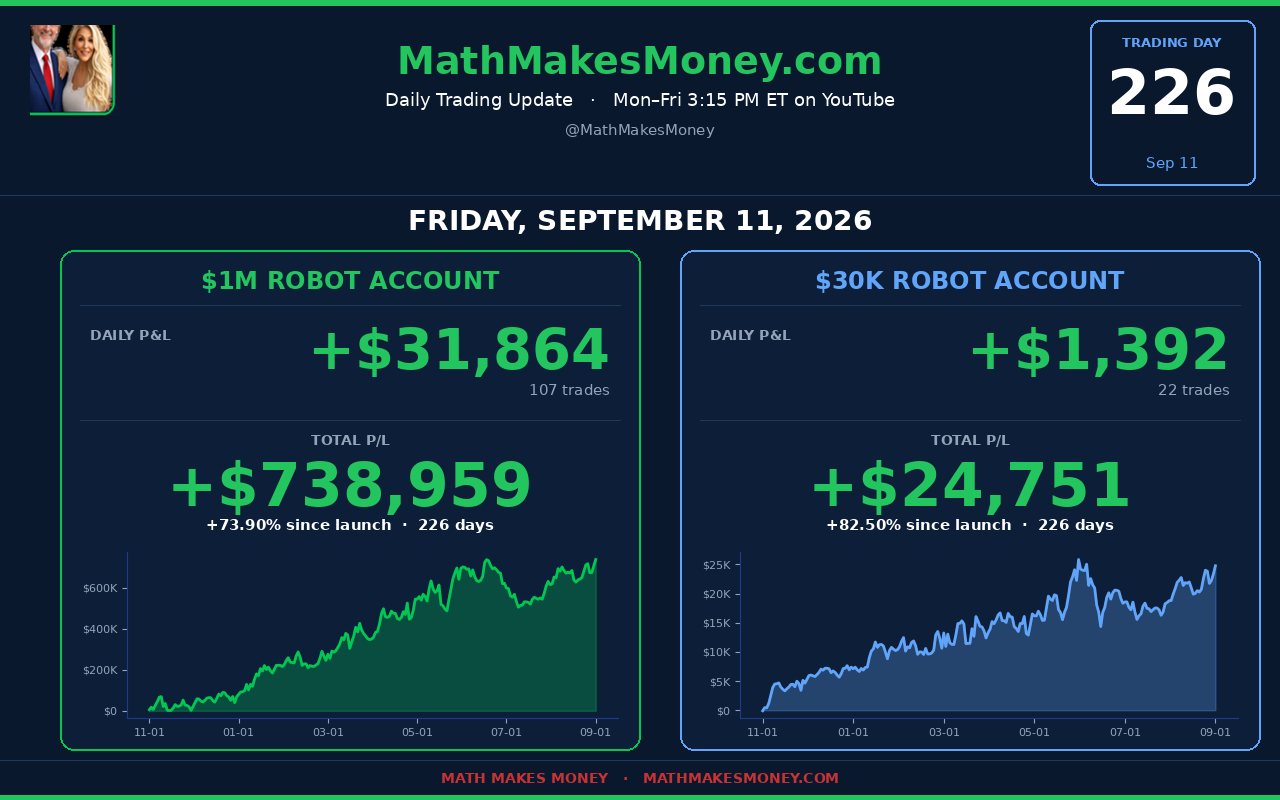 Tap the dashboard to see the full summary online » TODAY'S LIVE SHOW 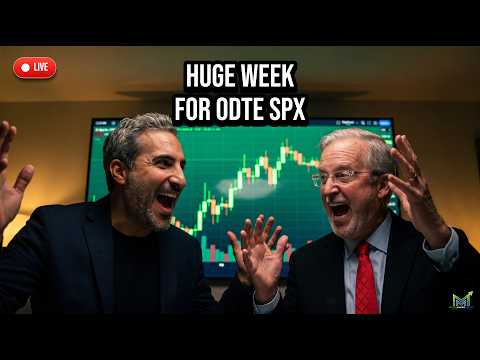 » Tap to watch today's live show — 9:15 AM & 3:15 PM ET Monday through Friday, plus Sunday 5:55 PM ET Free Community Join our Discord with over 1,000 like-minded traders who believe that math makes money when it comes to trading Trade ideas, screenshots, daily banter. Zero cost. Join the Discord → |
MATH MAKES MONEY Rob and Maria Helmick and Nick Battista · The Trading Addict Newsletter MathMakesMoney.com Educational only. Not investment advice. Trading options involves substantial risk. Past performance does not guarantee future results. |
|