|
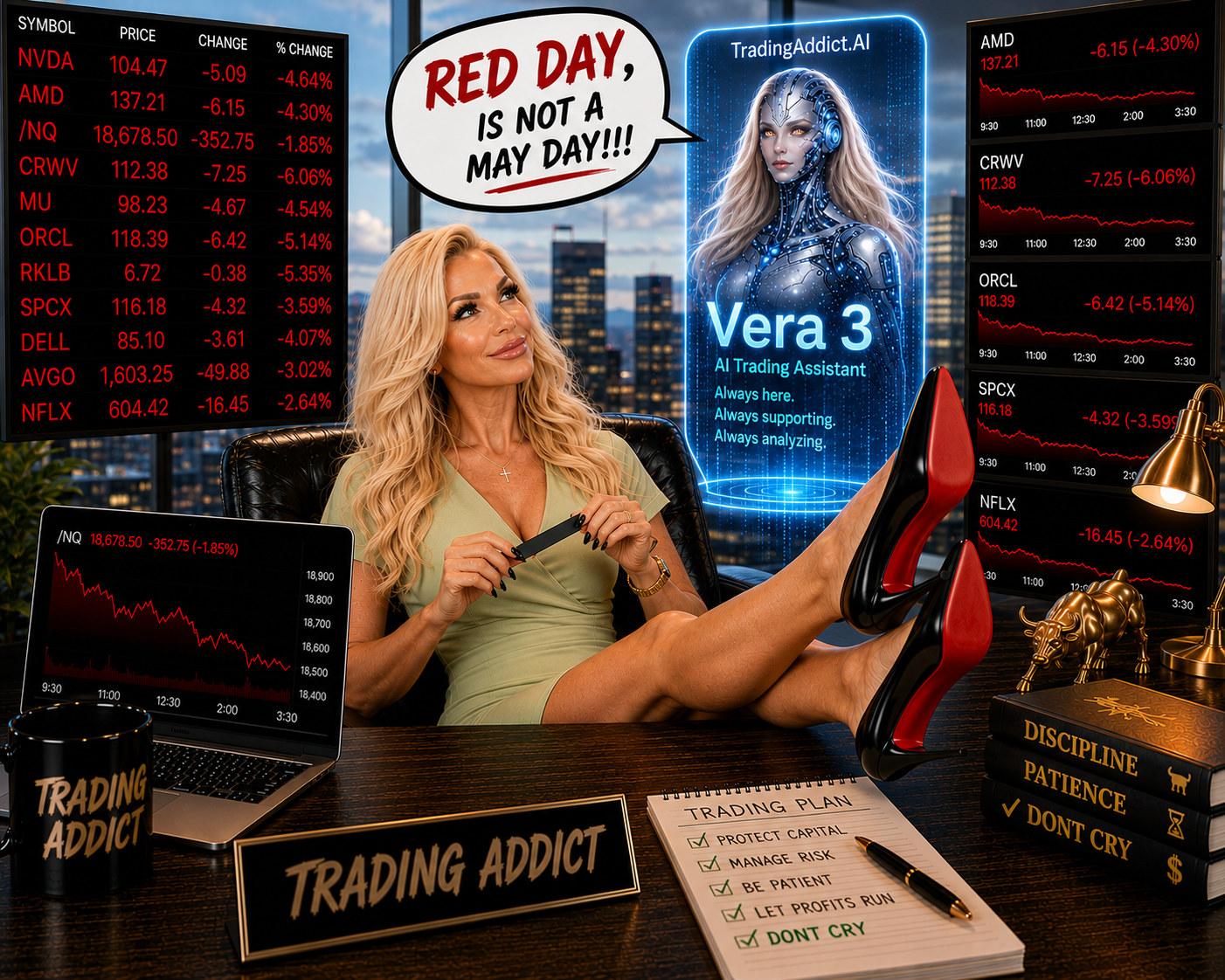
On a blistering red day, the noise is everywhere. The financial networks make it sound as though the sky is falling, social media is filled with panic, and every headline seems worse than the one before it. Meanwhile, you are staring at a portfolio full of red, waiting for that one final tweet to land like the icing on the cake and send the market even lower.
|
Positions that looked manageable yesterday are suddenly flashing losses. Option premiums are expanding, buying power is shrinking, and your first instinct may be to do something — anything — to make the discomfort stop.
That reaction is normal. It does not automatically mean your trades are bad or your strategy is broken. It means you are feeling the emotional side of trading, and anyone who plans to stay in this profession has to expect days like these.
Green days can make all of us feel brilliant. Just yesterday, you were a trading genius — everything looked great, every decision worked. Then the market turns red, and suddenly you are wondering how to get back on that path as quickly as possible. That is usually when traders become most vulnerable to forcing trades, chasing losses, or making rushed decisions just to feel in control again.
|
Green days do not make you a genius, and red days do not make you a failure.
The market changed. Your intelligence did not.
|
You may not know when the next selloff is coming, but you should always know that one eventually will. That is why a portfolio must be built before the fear arrives. Position size, available buying power, concentration and risk limits matter most when the market stops cooperating.
Buying power is one of your greatest protections. When too much of it is committed, every decline feels more threatening because you have less room to adjust, roll, hedge, or take advantage of better prices. A trader with buying power has choices. A trader with none may feel forced to act.
A red position does not always require immediate action. Before closing, rolling or adding, ask whether the trade has reached your risk limit, whether the original reason for entering has changed, or whether the loss simply looks uncomfortable on the screen.
There is a big difference between managing risk and trying to make an uncomfortable feeling disappear.
Imagine opening your account and seeing that your portfolio is down $15,000 before noon. Your heart starts racing, and your first thought is to close everything before it gets worse.
Instead, slow yourself down and look for a clearer perspective. Some people may disagree, but there is nothing wrong with uploading a screenshot of your portfolio — or at least the positions worrying you most — into an AI tool and asking it to review the risks, concentration, buying-power impact and possible choices. It may point out something you overlooked or simply help the old noggin think through the problem more clearly.
Remove personal account information first, verify what it tells you, and remember that AI is offering ideas, not making the trade. The final decision is still yours.
Then review your buying power, position sizes, concentration, expiration dates and the trades closest to their risk limits. You may discover that one position truly needs attention while the rest are simply moving with the market. Managing that one position is very different from panic-selling the entire portfolio. That pause matters because it allows the plan to take control before emotion does.
|
On difficult days, avoid making several changes at once. Sometimes the best move is to let the market do what it is going to do and give the positions time to settle. You do not want to roll unnecessarily, lock in a loss, and then watch the market reverse shortly afterward.
|
Work through the portfolio one position at a time. Do not roll simply because the screen is red, and do not add simply because a stock looks cheaper. Make changes only when the trade has reached a real risk point or the original reason for holding it has changed.
A well-built portfolio can still lose money on a red day. That does not mean it failed. It means the structure is being tested.
Red days are uncomfortable, but they come with the profession. The goal is not to eliminate fear. The goal is to keep fear from making the decisions.
|
Take a breath, protect your buying power, review the portfolio carefully, and manage only the positions that truly require attention. The mark of a professional trader is not how confident you feel when everything is going up. It is how calmly you manage the portfolio when everything turns red.
And there you have it, my little Trading Addicts.
|
|