|
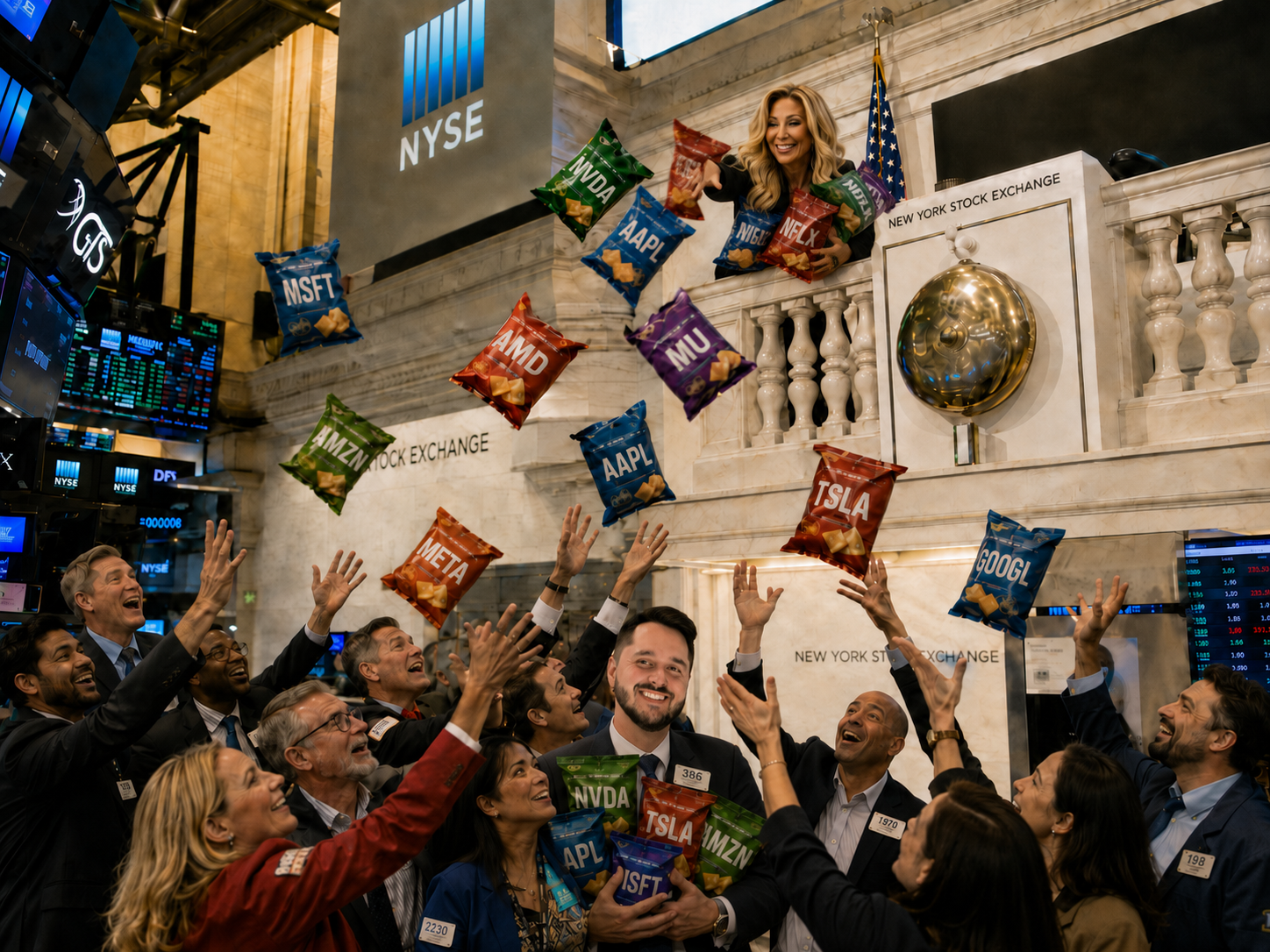
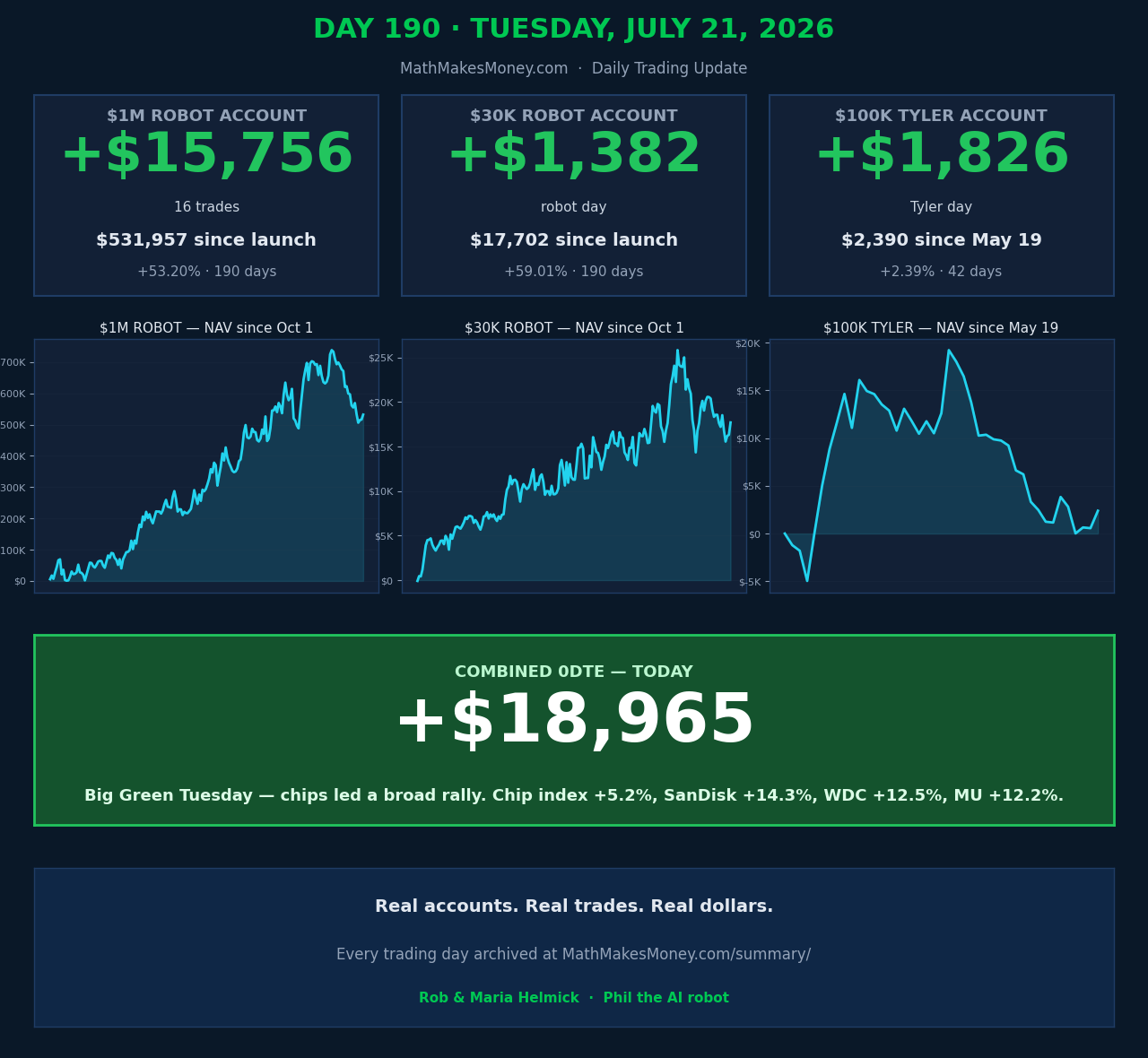
It was a much better day across the market, but the real engine behind the rally was once again semiconductors and artificial-intelligence stocks.
The Philadelphia Semiconductor Index surged 5.2%, marking its second consecutive gain after ending last week more than 20% below its late-June record. The rebound was strong, but it also showed just how quickly investors can change their minds when they become afraid of missing the next move higher.
Fear Turned Back Into FOMO
Last week, investors were questioning high chip valuations, enormous AI spending budgets and whether the companies could possibly deliver earnings strong enough to satisfy Wall Street.
On Tuesday, some of those same investors started buying again ahead of major technology earnings. The fear of owning too many chip stocks quickly turned into the fear of not owning enough.
That does not mean all the concerns have disappeared. Even after the recent correction, the semiconductor index remains up nearly 75% this year. These companies may report excellent numbers, but much of that excellence is already expected.
The biggest winners included SanDisk (+14.3%), Western Digital (+12.5%) and Micron (+12.2%). Nvidia was also one of the strongest forces lifting the broader market. Technology gained 2.35% and led all 11 S&P 500 sectors.
Earnings Still Matter
Investors rewarded companies that raised their expectations. 3M jumped 7.3% after increasing its full-year profit forecast. Hasbro rose 8.8% after raising its annual revenue and profit outlook, helped by stronger digital gaming and Magic: The Gathering demand.
The market was much less forgiving toward companies that disappointed. Danaher fell 11% after lowering its core revenue-growth forecast. MSCI dropped 10% after raising its operating-expense forecast, while Genuine Parts declined after reducing its full-year profit outlook.
The message was simple: investors were willing to reward improving guidance, but they punished companies showing weaker growth, higher expenses or disappointing forecasts.
Oil and Interest Rates Remain a Risk
The rally happened despite another jump in oil prices. U.S. crude rose 2.3% to $85.16, Brent gained 2.1% to $91.08, reaching its highest area in five weeks. Oil moved higher after two tankers carrying Saudi crude reversed course in the Red Sea following threats from Yemen's Iran-aligned Houthis.
Higher oil prices added to inflation concerns and pushed Treasury yields higher. The 10-year Treasury yield reached 4.64%, its highest level since May 20, as traders considered whether higher energy prices could increase the chances of another Fed rate hike.
The VIX fell 8.6% to 17.05, down from 18.65 on Monday — investors were more comfortable taking risk, but volatility remains high enough to remind us that concerns about oil, interest rates, tariffs and geopolitics have not disappeared.
What Comes Next
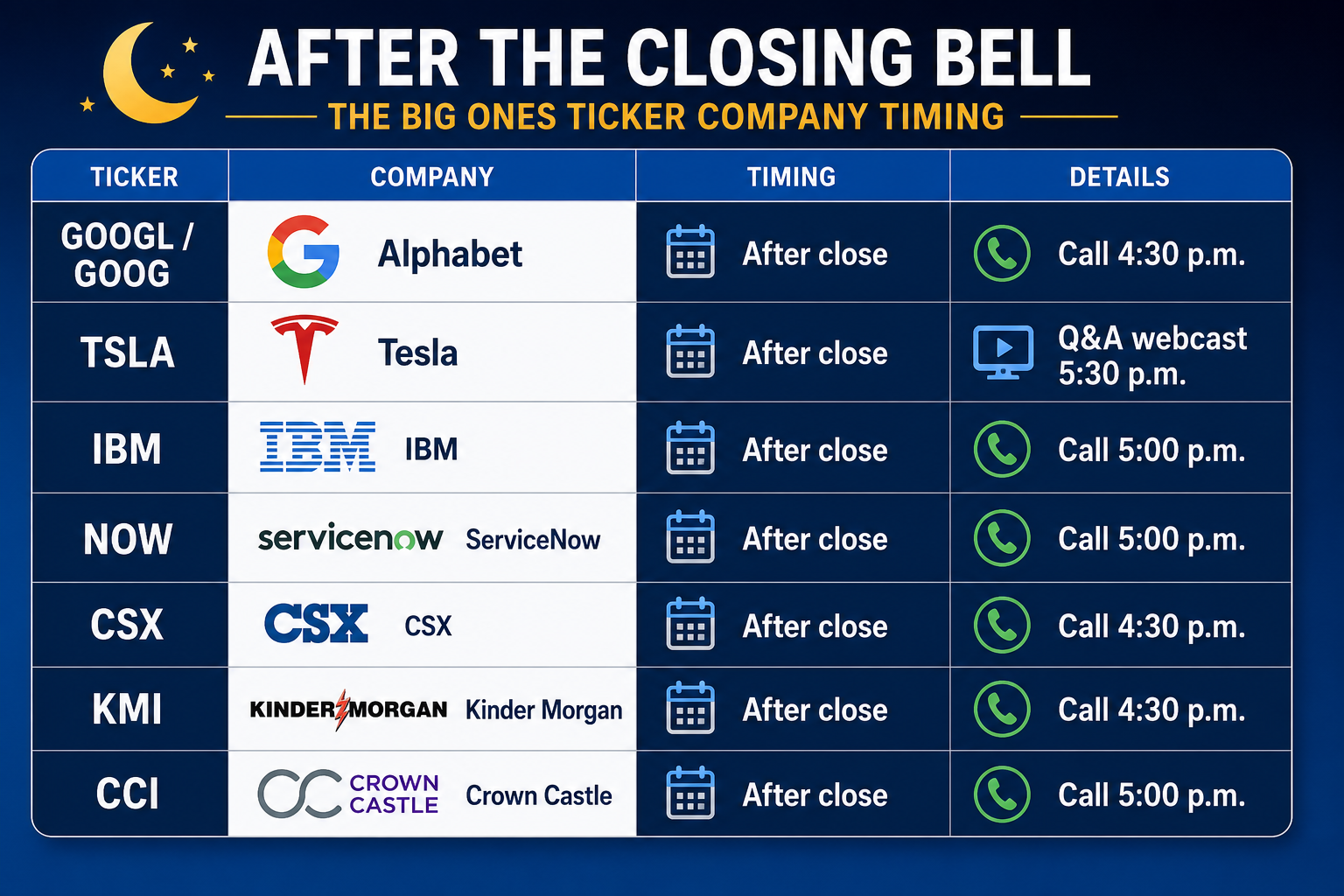
Investors are waiting for results from Alphabet, Intel, Texas Instruments and several other major technology companies. They will be listening closely for evidence that AI spending remains strong and that the companies benefiting from that spending can turn it into higher revenue and profits. Wall Street clearly has not given up on the AI trade — but after Tuesday's rally, expectations have moved higher again.
|
Maria's Take
The Earnings May Be Excellent — The Question Is Whether Excellent Will Be Good Enough
|
|
Hopefully, earnings will give the AI trade the comeback it deserves.
The numbers are still there, but investors keep allowing the bears to scare them with every new “what if.” At some point, they need to stop imagining the next disaster, look at the revenue, customers and AI spending, and step up.
Not every AI stock deserves to go higher, but the companies delivering real growth should not be punished because of manufactured fear. I am still bullish on AI. Now Wall Street needs to believe the numbers and go along for the ride.
|
|