Issue No. 14 • Tuesday June 9, 2026

|

|
THE TRADING ADDICT
NEWSLETTER
by Maria Helmick
» Daily Trading Update · Day 161 · Tap for live dashboard
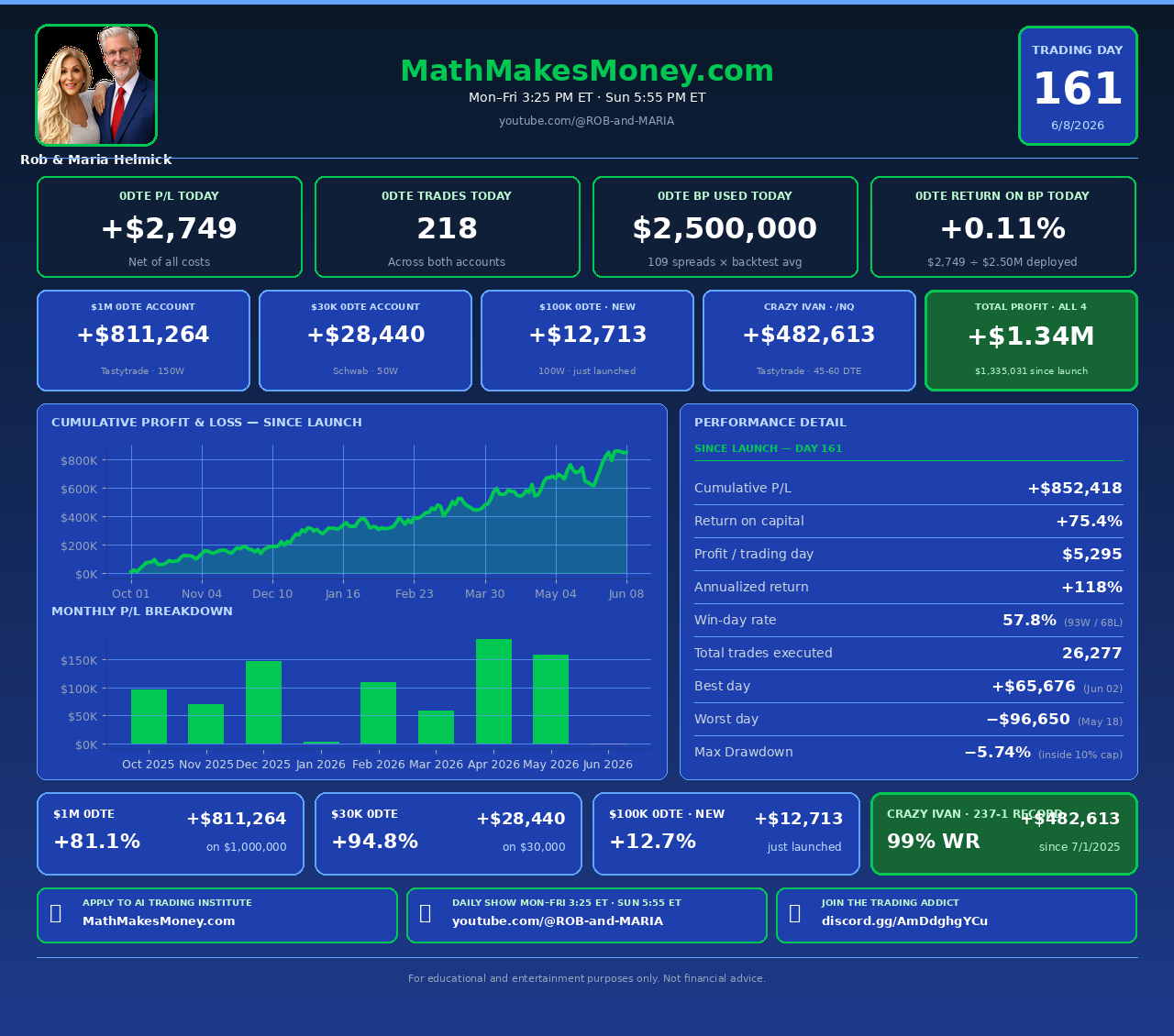
Here is how our AI trading robot Phil performed today.
» Trades of the Week are at the end of the Newsletter «
» Story No. 1 of 2 · Federal Reserve · Market Insight
Tap the image to view full size
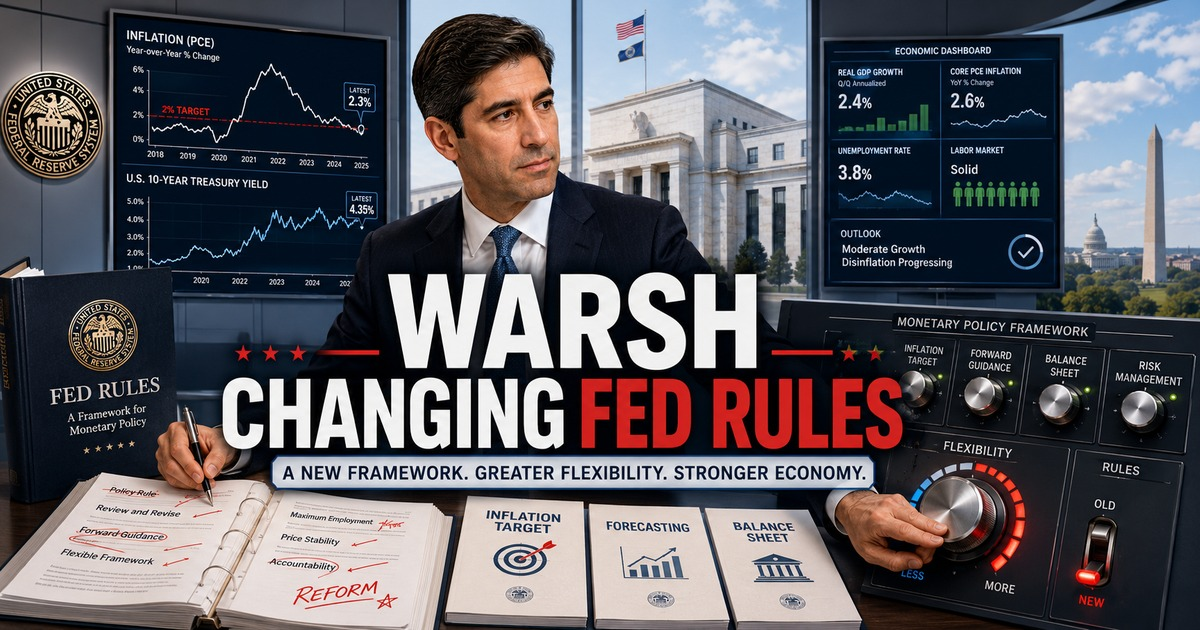
Warsh May Keep the Fed’s 2% Target—But Change the Ruler
The inflation goal may stay the same. The way the Fed decides whether it has reached it may not.
Federal Reserve Chair Kevin Warsh has signaled that one of his priorities will be improving how the Fed measures inflation and forecasts the economy.
The official target remains 2% inflation. But Warsh appears open to giving more weight to alternative inflation measures that can produce a very different picture from the numbers investors usually watch.
That matters because the inflation gauge the Fed trusts most could influence when interest rates are cut—or whether they stay higher for longer.
Three Inflation Readings, Three Different Messages
For the 12 months ending in April 2026:
| • Overall PCE inflation: 3.8% |
| • Core PCE inflation: 3.3% |
| • Dallas Fed Trimmed Mean PCE: 2.3% |
Overall and core PCE suggest inflation remains well above the Fed’s goal. Trimmed-mean PCE suggests underlying inflation may already be close to target.
That is not a small difference.
A Fed focused on 2.3% may feel comfortable moving toward rate cuts. A Fed focused on inflation above 3% may decide rates need to remain elevated.
What Is Trimmed-Mean Inflation?
Unlike core inflation, which automatically removes food and energy, trimmed-mean inflation removes the categories showing the largest price increases and declines each month. The idea is to filter out temporary shocks and expose the broader trend.
Supporters say that creates a cleaner reading. Critics argue it can also remove the very price increases consumers are feeling most—especially during periods involving oil, tariffs, food or housing pressure.
Is Warsh Moving the Goalposts?
Not officially.
The Fed’s stated goal remains 2% inflation measured by overall PCE, and Warsh has not announced a formal change. But giving more attention to a lower inflation measure could change how the Fed judges its progress.
The finish line may remain at 2%. The concern is that the Fed could begin using a different ruler to decide how close it is.
Why Investors Should Care
This debate could influence:
| • Treasury yields |
| • Mortgage and borrowing costs |
| • Stock valuations |
| • Rate-cut expectations |
| • The dollar |
Markets should not only watch the next CPI or PCE report.
They should watch which inflation number Warsh chooses to emphasize.
Maria’s Bottom LineWarsh is not officially changing the Fed’s inflation target. He is questioning whether the Fed is using the best tools to measure it. Better data could lead to better decisions. But relying too heavily on a favorable inflation gauge could also encourage the Fed to cut rates before inflation is truly under control. The target may still be 2%. The real question is: which number will Warsh trust to tell him the Fed has arrived? |
Educational only. Not financial advice.
|
Apply to The AI Trading Institute Learn How We Actually Build, Run, and Update Our AI Trading Robot PhilThe next class starts Monday, June 29. The waitlist closes Monday, June 15, 2026, at 5:00 PM Eastern Time — just 6 days away. Seats are limited and the group is curated. Rob reviews every application personally and does a personal interview with every applicant. APPLY AT MATHMAKESMONEY.COM → |
» Story No. 2 of 2 · AI Memory Trade · Earnings Watch
Tap the image to view full size
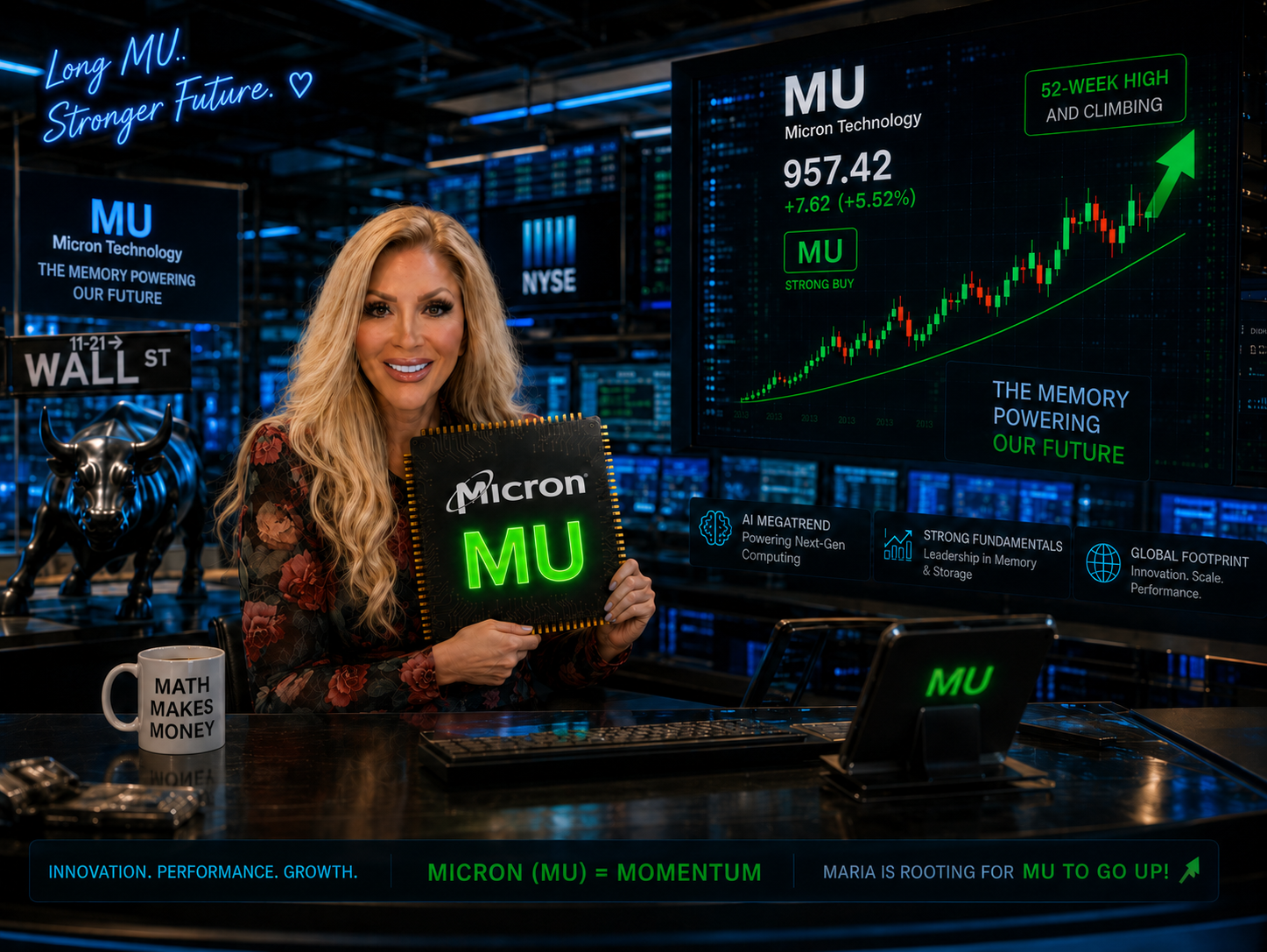
Micron Earnings: Is Wall Street Still Underpricing This AI Trade?
Micron reports earnings Friday, and this could be one of the most important AI-related reports of the week.
The reason is simple: AI does not run on GPUs alone. The data centers powering this boom also need massive amounts of memory, and Micron is one of the companies sitting right in the middle of that demand.
That makes this report bigger than a normal earnings release. Investors are not only asking whether Micron beats estimates. They are asking whether the AI memory story is strong enough for Wall Street to value Micron more like an AI infrastructure winner.
Why the P/E Matters
The most interesting part of Micron’s setup is valuation. The stock has already moved higher, but compared with other AI chip names, it still trades at a much lower forward earnings multiple.
|
The question is not just whether Micron is cheap. The real question is whether it is still being valued like an old-school memory stock while AI demand is changing the story. |
If management confirms strong AI memory demand, firm pricing, and better visibility from major customers, investors may start to look at Micron differently. That is what makes Friday’s report so important.
|
AI demand: Are data center customers still ordering aggressively? Pricing power: Are memory prices staying firm? Customer commitments: Are large buyers locking in future supply? |
Those three areas matter more than a simple earnings beat. A beat is nice, but guidance is what could decide whether this stock gets re-rated higher or pulled back into the normal memory-cycle conversation.
Maria’s Bottom LineI own Micron, so Friday’s earnings are on my radar. The key question is simple: will management confirm that AI memory demand is strong enough for Wall Street to reprice Micron as a true AI winner? |
Educational only. Not financial advice.
|
Math Makes Money TRADES OF THE WEEK0DTE SPX • $30K SCHWAB ACCOUNT Week of June 9, 2026 |
|
All trades 0dte SPX iron condors on the $30K Schwab account. MEIC = Multiple Entry Iron Condor. 50W = 50-wide wings. 95% = stop loss on short leg. No profit target — let trades expire. |
|
Risk Warning At the time of this writing, we plan on entering most of these trades, but they are part of a much greater and larger trading program and should be considered for educational and entertainment purposes only. Not financial advice of any kind. Trading involves substantial risk and is not suitable for every investor. You can lose some or all of your money. Nothing here is financial advice or a recommendation to buy, sell, or copy any trade. Do not copy trades blindly. Do your own due diligence, understand the risk, and make decisions based on your own account, risk tolerance, and financial situation. |
Join the Live Daily ShowLive trading. Come join us to watch live trading with the AI robot and ask Maria and Rob questions in the chat. A community of trading addicts. JOIN THE TRADING ADDICT → |
|
» Quick Short · Watch on YouTube Today’s 60-Second Recap from Rob ► WATCH ON YOUTUBE
|

Trade small, trade often.
Trade with your head, not with your heart.
Math Makes Money.
Get a fill, Phil.
— Maria
Math Makes Money · AI Trading Holdings LLC